



September 14, 2026

Ziemas braukšanas sezona Latvijā prasa īpašu sagatavošanos, lai nodrošinātu drošību uz ceļa. Kā sagatavot automašīnu ziemas braukšanas sezonai, lai izvairītos no tehniskām problēmām un riskantiem situāciju? Šajā rakstā aplūkosim biežāk sastopamās problēmas, to cēloņus un sniegsim praktiskus risinājumus, kas palīdzēs saglabāt automašīnas funkcionalitāti un vadītāja drošību.
Daudzi autovadītāji saskaras ar neparedzētām problēmām aukstajā sezonā, kas var ietekmēt gan automašīnas veiktspēju, gan satiksmes drošību. Nepareiza sagatavošanās var novest pie garāka bremzēšanas ceļa vai pat avārijām. Tāpēc ir svarīgi izprast, kā preventīvi novērst šos izaicinājumus un uzturēt transportlīdzekli labā tehniskā stāvoklī.
Šī raksta mērķis ir piedāvāt pārbaudītas metodes un padomus, kas palīdzēs saprast, kā sagatavot automašīnu ziemas braukšanas sezonai, rūpējoties par katru būtisko aspektu. No riepu izvēles līdz akumulatora pārbaudei – viss, kas nepieciešams, lai ziemas mēnešos justos droši un pārliecināti.
Kā izvēlēties un pārbaudīt riepas ziemas apstākļiem
Biežākās riepu problēmas ziemā
Ziemā riepas ir viens no galvenajiem drošības elementiem, un biežākās problēmas saistītas ar nepietiekamu protektora dziļumu, nepiemērotu gumijas sastāvu vai nepareizu gaisa spiedienu. Šie faktori var būtiski pasliktināt transportlīdzekļa saķeri uz slapjām vai sniegotām virsmām. Nepietiekams protektors vai vecas riepas palielina akvaplanēšanas risku un bremzēšanas ceļa garumu, kas var novest pie bīstamām situācijām.
Riepu maiņas un uzglabāšanas ieteikumi
Pirms ziemas sezonas sākuma ir svarīgi pārbaudīt riepu stāvokli un laikus nomainīt vasaras riepas pret kvalitatīvām Ziemas riepas. Uzglabājot riepas, jānodrošina, ka tās tiek turētas sausā, vēsā un tumšā vietā, lai izvairītos no gumijas novecošanas. Pareizi uzglabātas riepas saglabā savas īpašības ilgāk, tādējādi samazinot nepieciešamību bieži mainīt riepas.
Marķējumi un likumdošanas prasības
Ziemas riepas jāizvēlas, ņemot vērā to marķējumus, piemēram, 3PMSF marķējumu jeb Alpu simbolu, kas apliecina riepas piemērotību ziemas apstākļiem. Latvijā no 1. decembra ir obligāti jālieto piemērotas ziemas riepas, kas atbilst šīm prasībām. Ja netiek ievērotas šīs prasības, pastāv risks saņemt sodu un tikt pakļautam papildu bīstamībai uz ceļa.
Elektriskās sistēmas pārbaude un akumulatora sagatavošana
Akumulatora darbības pārbaude
Zema temperatūra būtiski ietekmē akumulatora darbību, tādēļ pirms ziemas ir svarīgi pārbaudīt tā uzlādes līmeni un vispārējo stāvokli. Vāja akumulatora dēļ var rasties problēmas ar dzinēja iedarbināšanu aukstās dienās, kas bieži vien pārsteidz negaidīti. Profilaktiska pārbaude un nepieciešamības gadījumā akumulatora nomaiņa novērš šādas neērtības.
Elektronikas sistēmu uzturēšana
Arī automašīnas elektroniskās sistēmas, piemēram, lukturi, logu tīrītāji un apkures ierīces, jātestē un jāuztur labā stāvoklī. Nepietiekama redzamība vai logu apledojums var radīt nopietnus riskus ceļu satiksmes drošībai. Regulāra šo sistēmu pārbaude un remonts palīdz izvairīties no negadījumiem un nodrošina komfortu braukšanas laikā.
Rūpīga vadu un kontaktu pārbaude
Vadi un kontakti, kas ir pakļauti mitrumam un salnām, var oksidēties vai sabojāties, izraisot elektriskās sistēmas darbības traucējumus. Šādus bojājumus ir jāatklāj laikus, veicot vizuālu pārbaudi un tīrot kontaktus. Savlaicīga problēmu novēršana samazina iespējamību, ka automašīna ziemā paliks bez svarīgām funkcijām.
Degvielas un eļļas sistēmu pārvaldība aukstajos apstākļos
Piemērotas degvielas izvēle
Ziemā degvielas īpašības mainās, un ir svarīgi izmantot tādu, kas paredzēta zemām temperatūrām, lai novērstu degvielas sasālšanu un aizsprostojumus degvielas sistēmā. Neatbilstošas degvielas izmantošana var izraisīt dzinēja darbības traucējumus vai pat pilnīgu aizkavēšanos. Pareiza degvielas izvēle nodrošina automašīnas uzticamību pat visaukstākajās dienās. For those exploring practical options, utilizing trusted bremzēšanas ceļš specialists provides reliable support.
Eļļas un šķidrumu pārbaude
Zema temperatūra ietekmē arī eļļas viskozitāti, tāpēc pirms ziemas ir jāizvēlas eļļa, kas saglabā savu efektivitāti aukstā laikā. Tāpat dzesēšanas šķidruma un bremžu šķidruma līmeņiem jābūt atbilstošiem, lai novērstu sasalšanu un nodrošinātu pareizu sistēmu darbību. Šo šķidrumu regulāra pārbaude un nomaiņa palīdz saglabāt dzinēja un bremžu sistēmas efektivitāti.
Dzinēja sildīšanas problēmu novēršana
Dažreiz aukstā laikā dzinēja sildīšana var būt nepietiekama vai neefektīva, kas apgrūtina braukšanu un palielina degvielas patēriņu. Šādu problēmu var izraisīt bojāts termostats vai apsildes sistēmas defekti. Savlaicīga diagnostika un remonts nodrošina ātru un drošu dzinēja darbību arī zemās temperatūrās.
Stiklu un apskates sistēmu sagatavošana drošībai
Logu tīrītāju un šķidruma izvēle
Logu tīrītāji ziemā ir pakļauti lielākai slodzei, jo tie bieži tiek izmantoti, lai notīrītu sniegu, ledus vai sāls paliekas. Nepietiekama tīrītāju kvalitāte vai nolietojums samazina redzamību, kas tieši ietekmē ceļu satiksmes drošību. Izvēloties piemērotu, ziemai paredzētu logu tīrīšanas šķidrumu, var novērst tā sasalšanu un nodrošināt skaidru redzamību.
Stiklu apstrāde un bojājumu novēršana
Stikliem ziemā veidojas apledojums, kas var ierobežot vadītāja redzamību un palielināt bremzēšanas ceļu. Regulāra stiklu apstrāde ar speciāliem līdzekļiem palīdz novērst apledojuma veidošanos un vieglāk uzturēt tīrus stiklus. Savlaicīga nelielu bojājumu remontēšana arī samazina plaisu izplatīšanās risku aukstuma apstākļos.
Apskates gaismu pārbaude
Gaismas ir būtisks drošības elements, it īpaši ziemā, kad tumsa iestājas agrāk un braukšanas apstākļi ir mainīgi. Nepietiekama lukturu darbība vai bojāti lukturi var pasliktināt redzamību un palielināt bremzēšanas ceļa garumu. Regulāra lukturu pārbaude un remonts nodrošina, ka automašīna ir labi pamanāma un vadītājs var laikus reaģēt uz ceļa situācijām.
Kā sagatavot automašīnu ziemas braukšanas sezonai: preventīvie pasākumi ilgtermiņā
Regulāra apkopes un tehniskā pārbaude
Profilaktiska un regulāra tehniskā pārbaude palīdz laikus identificēt un novērst potenciālas problēmas, kas ziemā varētu kļūt par nopietniem traucējumiem. Tā ietver ne tikai riepu un akumulatora stāvokļa pārbaudi, bet arī bremžu sistēmas, gaisa spiediena un citu būtisku komponentu uzraudzību. Šādi pasākumi nodrošina, ka bremzēšanas ceļš tiek maksimāli samazināts un ceļu satiksmes drošība uzlabota.
Ilgtspējīgas riepu lietošanas prakse
Pareiza riepu ekspluatācija un savlaicīga nomaiņa ir būtiska, lai saglabātu labu saķeri un samazinātu bremzēšanas ceļu. Jāievēro protektora nodilums un jāseko līdzi riepu slodzes indeksam, kas ietekmē to darbību ziemas apstākļos. Ilgtspējīga riepu apkope samazina arī degvielas patēriņu un uzlabo transportlīdzekļa vadāmību.
Gatavība dažādiem ceļa apstākļiem
Braukšanas sezonai sagatavota automašīna spēj labāk tikt galā ar slideniem ceļiem, sniegotu brauktuvi vai apledojuma apstākļiem. Izmantojot pareizus tehniskos risinājumus un regulāri pārbaudot bremžu sistēmu un riteņu stāvokli, vadītājs var būt drošs par savu transportlīdzekli. Šāda gatavība palīdz izvairīties no negadījumiem un nodrošina mierīgu braukšanu visu ziemu.
Posted by: MichaelHarper at
06:10 AM
| No Comments
| Add Comment
Post contains 930 words, total size 9 kb.
September 01, 2026
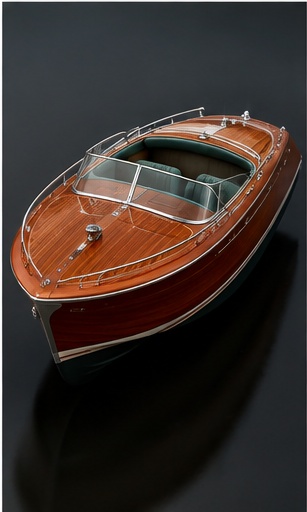
The Black Pearl holds a legendary status among fictional ships, captivating audiences with its mysterious aura and formidable presence. An exploration of what type of ship the Black Pearl is and what inspired its design reveals a blend of historical naval architecture and cinematic creativity. This article tackles common questions and potential misconceptions about the ship’s origins, style, and construction, offering clear insights into its distinctive features.
Many enthusiasts often wonder why the Black Pearl stands out so prominently in pirate lore. By addressing the challenges in identifying its classification and uncovering the roots of its inspiration, readers can gain a comprehensive understanding. The discussion also highlights how the ship’s design contributes to its iconic image in popular culture.
Classifying the Black Pearl: What Type of Ship Is It?
Identifying the Ship’s Category
The Black Pearl is primarily depicted as a fictionalized brigantine, a type of two-masted sailing vessel known for its speed and agility. This classification aligns with the ship’s portrayal in the Pirates of the Caribbean film series, where swift maneuverability is essential for evading enemies. The brigantine design typically features square sails on the foremast and fore-and-aft sails on the mainmast, which matches the Black Pearl’s rigging layout.
One challenge in classification arises from the ship’s exaggerated features, which blend historical accuracy with dramatic effect. Its dark hull and menacing figurehead enhance its intimidating reputation, but these are artistic choices rather than strict naval standards. Despite this, the core structure remains identifiable within the brigantine type, which was popular among pirates for its balance of firepower and speed.
Distinguishing Features That Define the Ship
The Black Pearl’s distinctive black-painted hull and black sails are uncommon in historical vessels but serve to reinforce its ghostly image. These design elements set it apart visually and symbolically, emphasizing stealth and fear. Additionally, the ship’s ornate figurehead and elaborate carvings contribute to its unique identity, although such embellishments were less practical in real pirate ships.
Understanding these features helps clarify why the Black Pearl is often mistaken for a different class of ship. Its overall silhouette and sail arrangement confirm its brigantine roots, but artistic liberties blur the lines between historical accuracy and fantasy. This blend has sparked debates among maritime historians and fans alike, with some noting that the ship’s design borrows from various vessel types to achieve its cinematic impact.
Tracing the Inspirations Behind the Black Pearl’s Design
Historical Vessels as Models
The design of the Black Pearl draws heavily from 18th-century Caribbean pirate ships, which were usually small to medium-sized vessels optimized for speed and combat. These ships were often repurposed merchant vessels or naval sloops, chosen for their ability to outmaneuver larger warships. The Black Pearl’s attributes echo these practical requirements, reflecting a foundation in maritime history.
Filmmakers and designers also looked to famous vessels from naval history for inspiration, blending elements from different ships to create a unique yet believable appearance. The ship’s dark color scheme may be inspired by tales of stealth and night raids, common strategies employed by pirates. This fusion of historical references with creative interpretation results in a ship that feels both authentic and fantastical.
For those curious about the precise model and its craftsmanship, exploring resources on what type of ship is the Black Pearl provides detailed insights into the ship's construction and aesthetic influences. These explorations reveal how the Black Pearl serves as a nautical masterpiece that blends fact and fiction seamlessly.
Artistic Choices and Cinematic Necessities
The film series’ creative team intentionally exaggerated certain features to enhance the ship’s on-screen presence. Dark, tattered sails and a rugged hull emphasize a supernatural aura, supporting the Black Pearl's role as a mysterious and formidable pirate vessel. These choices were informed by narrative needs rather than strict adherence to historical shipbuilding practices.
Visual storytelling required a ship that could evoke fear and admiration simultaneously. The Black Pearl’s design, therefore, serves a dual purpose: it anchors the story in a believable maritime world while embodying the mythic qualities of pirate legend. This balance between historical inspiration and fantasy is crucial to its enduring appeal.
Challenges in Replicating the Black Pearl’s Design Accurately
Balancing Historical Accuracy with Fiction
One common challenge is reconciling the Black Pearl’s dramatic design with the realities of 18th-century shipbuilding. Historical vessels prioritized functionality, durability, and efficiency, while the Black Pearl incorporates stylized elements for theatrical effect. This discrepancy can confuse historians and model builders attempting faithful recreations.
Another issue arises from the limited documentation of pirate ships, which were rarely preserved or well-documented compared to naval vessels. This scarcity of reliable references forces designers to interpolate and innovate, which sometimes leads to anachronistic details. Recognizing these challenges allows enthusiasts to appreciate the Black Pearl as an artistic interpretation rather than a precise historical replica.
Technical and Structural Design Hurdles
Recreating the ship’s black sails and hull presents practical difficulties, as these features were uncommon and would have raised issues such as visibility and maintenance. Historically, sails were made from canvas and were rarely dyed black due to expense and practicality. The Black Pearl’s design choice, while iconic, would have posed significant challenges for real-world sailors.
Additionally, the ship’s rigging and mast configuration were adapted for cinematic purposes, sometimes stretching the limits of naval engineering principles. Builders aiming to replicate the Black Pearl must balance aesthetic fidelity with structural integrity, often requiring compromises to achieve a stable model or replica.
The Black Pearl’s Influence on Modern Maritime Enthusiasm
Impact on Ship Modeling and Collecting
The Black Pearl has inspired a surge of interest among model ship builders and maritime enthusiasts, blending popular culture with traditional craftsmanship. Its complex design challenges artisans to refine their skills in scale craftsmanship and rigging techniques. This has led to innovative approaches in replicating both the ship’s form and spirit.
Collectors appreciate the Black Pearl not only as a cinematic icon but also as a symbol of maritime heritage. The ship’s blend of historic vessel traits and fantasy elements invites exploration into nautical history and naval architecture. This cross-disciplinary appeal enriches the broader community interested in maritime design and preservation.
Role in Promoting Maritime Heritage Awareness
The Black Pearl’s popularity also raises awareness about historic vessels and their significance within naval history. By engaging a wide audience, the ship encourages curiosity about maritime artifacts and seafaring traditions. This can translate into increased support for maritime preservation efforts and museum exhibits.
Institutions dedicated to naval heritage often use popular ships like the Black Pearl as gateways to educate the public on naval engineering and vessel design. The ship’s narrative invites deeper investigation into the realities behind pirate lore and historic naval craftsmanship, fostering a richer appreciation of maritime collections.
For those interested in exploring authentic examples of historic vessels and naval history, resources at the United States Naval Academy Museum offer extensive insights into historic vessels and their legacy. These collections complement the fascination sparked by the Black Pearl and provide grounding in actual maritime history.
Securing Lasting Outcomes: Preserving the Legacy of the Black Pearl’s Design
Maintaining Interest Through Education and Craftsmanship
Sustaining the legacy of the Black Pearl requires ongoing efforts in education and skilled craftsmanship. By addressing common misconceptions and clarifying the ship’s classification and inspirations, educators can guide audiences toward a balanced understanding. Workshops and exhibitions focusing on maritime design help prevent the loss of traditional knowledge.
Artisans and model builders play a vital role in preserving the ship’s design, ensuring that future generations can appreciate both its artistic and historical aspects. Accurate modeling encourages attention to detail in hull construction and rigging techniques, which are essential components of maritime preservation. These efforts collectively safeguard the Black Pearl’s place within nautical heritage.
Encouraging Accurate Representations in Media
Promoting accurate depictions of the Black Pearl and similar vessels in media helps prevent the spread of misconceptions about naval architecture and pirate history. Collaboration between historians and creative professionals can refine portrayals, balancing dramatic appeal with factual grounding. This approach supports a richer cultural understanding and respect for maritime traditions.
Future projects inspired by the Black Pearl should aim to honor its complex design heritage, acknowledging the roots in real historic vessels while embracing its fictional enhancements. This balance will ensure the ship remains a compelling symbol of pirate lore and maritime craftsmanship for years to come.
The question of what type of ship is the Black Pearl and what inspired its design reveals a nuanced blend of historical maritime practice and imaginative storytelling. By addressing challenges in classification, tracing its design origins, and promoting informed preservation, enthusiasts and scholars can secure the Black Pearl’s enduring place in both nautical history and popular culture.
Captain Heritage™
A brand of Old Modern Handicrafts Inc.
1500 S Milliken Ave Ste. G, Ontario, CA 91761 USA
(909) 598- 2525 Office
(88 900-1805 Toll Free
Email: service@omhusa.com
Posted by: MichaelHarper at
08:57 AM
| No Comments
| Add Comment
Post contains 1482 words, total size 13 kb.
32 queries taking 0.0673 seconds, 107 records returned.
Powered by Minx 1.1.6c-pink.

